
Sailing performance
VMG in Sailing Explained: Velocity Made Good
Boat speed isn't the same as progress toward the mark. VMG measures how fast you're actually closing on your target — and it's the number that wins races upwind and downwind.
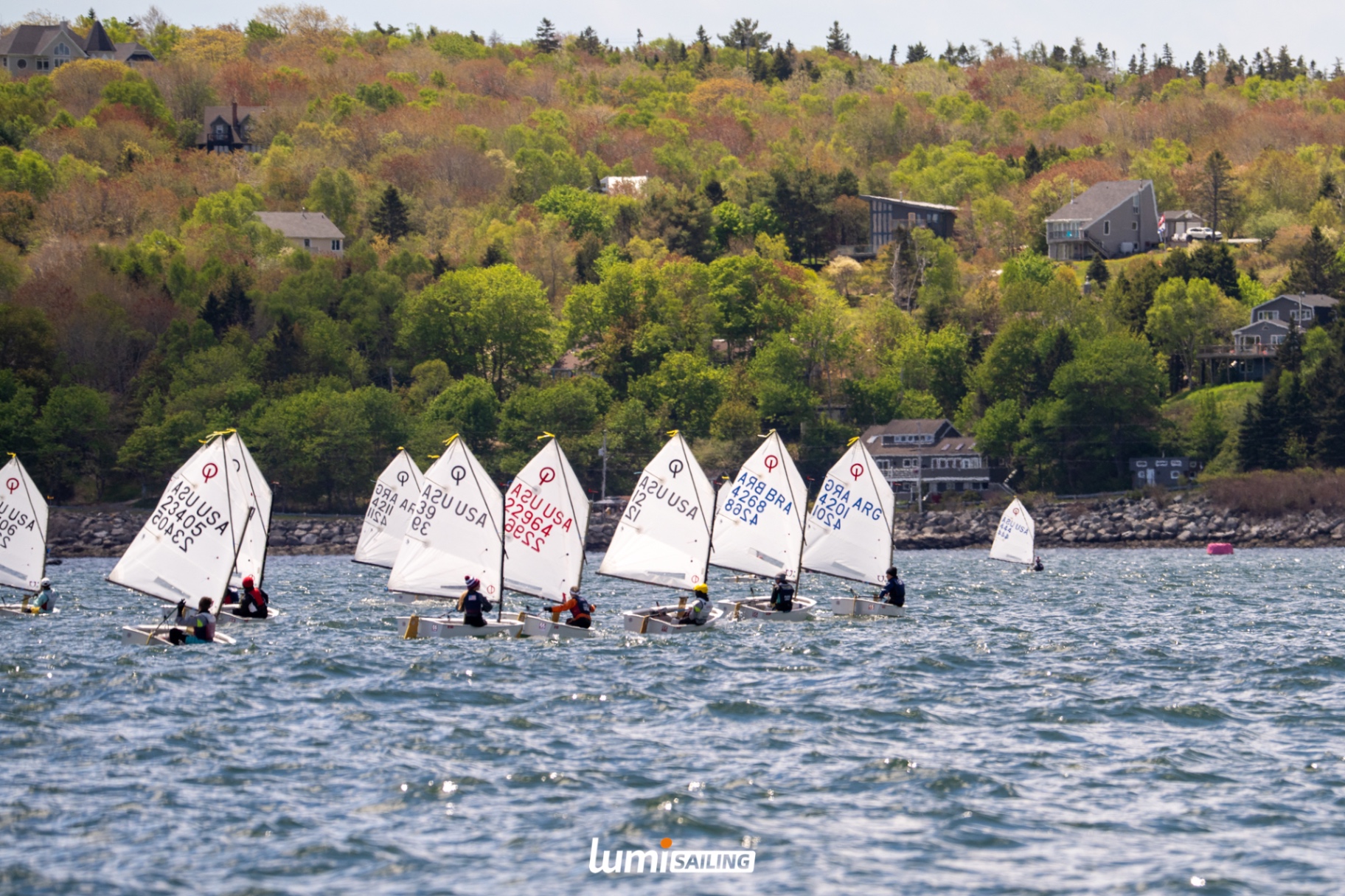
What is VMG?
Velocity Made Good (VMG) is the component of your boat speed that points directly toward (or away from) the wind — or more practically, toward the next mark. Because you can't sail straight into the wind, you sail at an angle. VMG tells you how much of your speed is genuinely useful for getting upwind, rather than being "wasted" sideways.
How VMG is calculated
VMG is a simple trigonometric relationship between your speed through the water and your angle to the wind:
Here θ (theta) is the angle between your heading and the true wind direction. Sail too high (small angle) and your boat slows down; sail too low (large angle) and less of your speed points upwind. The fastest upwind angle is the one that maximizes VMG — typically around 40–45° to the true wind for many dinghy classes, though it varies with boat and conditions.
Why VMG matters
Upwind
Find the groove between pinching and footing to climb to the windward mark fastest.
Downwind
Hotter angles add speed; deeper angles shorten distance. VMG finds the balance.
Consistency
Tracking VMG over time reveals which angles and trim actually pay off.
Optimizing VMG with live tracking
The hard part isn't the formula — it's knowing your real angle and speed in changing conditions. SAILWRLD's GPS tracking records your live track, speed, and angle through every leg, then lets you compare runs side by side. You can see exactly which upwind and downwind angles produced your best VMG, so the next race you sail the groove instead of guessing it.